
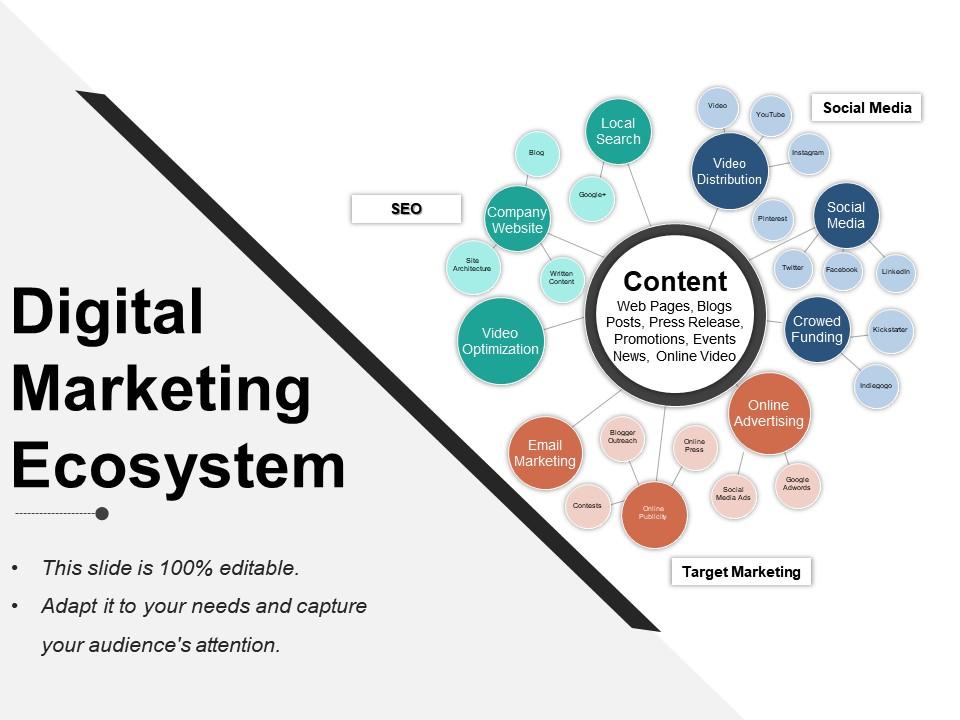
In today’s fast-moving digital landscape, businesses can no longer rely on isolated marketing tactics. A beautiful website without traffic fails. Social media without a strategy burns time. Email without segmentation gets ignored. And AI without direction creates noise.
The smart future strategy is not about doing more — it’s about integrating the right systems to create predictable, scalable growth.
This guide will show you how to align your website, SEO, social media, AI, and email marketing into one powerful ecosystem.
Table of Contents
Introduction: Why Integration Matters
Your Website: The Digital Headquarters
SEO: Building Sustainable Traffic
Social Media: Amplifying Reach and Trust
AI: Scaling Intelligence and Efficiency
Email Marketing: Converting and Retaining Customers
How to Integrate Everything into One Growth Engine
Common Mistakes to Avoid
Conclusion: Building Predictable Growth in the Smart Era
1. Introduction: Why Integration Matters
Many businesses operate in silos:
The website team focuses on design.
SEO focuses on rankings.
Social media chases engagement.
Email pushes promotions.
AI tools operate independently.
The result? Fragmented data, inconsistent messaging, and unpredictable revenue.
Integration changes everything. When these channels work together:
Traffic becomes consistent.
Leads become measurable.
Conversions become optimized.
Growth becomes predictable.
2. Your Website: The Digital Headquarters
Your website is not just an online brochure. It is your central conversion engine.
Your website must:
Clearly communicate your value proposition
Guide users with strategic calls to action.
Be mobile-friendly and fast-loading
Capture leads through optimized forms
Track behavior through analytics
Key elements of a high-performing website:
Clear homepage messaging
Optimized landing pages
Trust signals (testimonials, reviews, case studies)
Simple navigation
Conversion-focused design
Without a strong website foundation, no marketing strategy can scale effectively.
3. SEO: Building Sustainable Traffic
SEO is your long-term traffic machine. Unlike paid ads, SEO compounds over time.
A smart SEO strategy includes the following:
Keyword research based on user intent
On-page optimization (titles, meta descriptions, headers)
Technical SEO (site speed, indexing, schema)
High-quality content creation
Link building and authority development
Benefits of SEO integration:
Drives consistent organic traffic
Attracts high-intent users
Lowers customer acquisition cost
Supports content marketing
SEO should align with your website structure and content strategy — not operate separately.
4. Social Media: Amplifying Reach and Trust
Social media builds awareness, authority, and community.
But its true power comes when connected to your website and SEO strategy.
Social media should:
Distribute your blog content
Share lead magnets
Drive traffic to landing pages
Build brand personality
Encourage engagement and conversation
Effective social media tactics:
Educational content
Short-form videos
Behind-the-scenes insights
User-generated content
Community engagement
When social media feeds your website traffic and email list growth, it becomes a growth accelerator—not just a vanity metric channel.
5. AI: Scaling Intelligence and Efficiency
AI is transforming marketing at every level. But the real value lies in strategic implementation.
AI can help you:
Generate content outlines
Analyze customer behavior
Personalize email campaigns
Optimize ad targeting
Automate chat support
Forecast performance trends
Smart AI usage includes:
Data-driven decision-making
Predictive analytics
Personalized user journeys
Automated lead scoring
AI does not replace strategy — it enhances it. When integrated correctly, AI reduces manual workload and increases precision.
6. Email Marketing: Converting and Retaining Customers
Email remains one of the highest ROI channels in digital marketing.
Unlike social media, you own your email list. This makes it a powerful long-term asset.
A strong email strategy includes the following:
Lead magnets for list growth
Segmented audiences
Personalized campaigns
Automated workflows
Behavioral triggers
Key email sequences:
Welcome sequence
Nurture sequence
Sales sequence
Re-engagement campaigns
Post-purchase follow-up
When email is aligned with your website and content strategy, it becomes your primary conversion engine.
7. How to Integrate Everything into One Growth Engine
Integration is the core of predictable growth.
Here’s how it works step-by-step:
Step 1: SEO Attracts Traffic
Users find your optimized blog posts through search engines.
Step 2: Website Converts Visitors
Strategic CTAs and lead magnets capture emails.
Step 3: Email Nurtures Leads
Automated sequences build trust and guide buying decisions.
Step 4: Social Media Amplifies Content
Social channels drive additional traffic and engagement.
Step 5: AI Optimizes Everything
AI analyzes data and improves targeting, personalization, and forecasting.
The Integrated Growth Loop
Blog content ranks on Google
Social shares expand reach
Visitors join your email list
Email drives conversions
Data feeds AI insights
AI improves targeting
Performance improves consistently
This system transforms marketing from unpredictable efforts into a measurable growth engine.
8. Common Mistakes to Avoid
Even smart businesses make integration mistakes.
Avoid these pitfalls:
Treating channels separately
Ignoring analytics and data
Focusing on traffic without conversion strategy
Using AI without clear objectives
Sending generic, unsegmented emails
Prioritizing followers over revenue
Integration requires alignment, consistency, and data-driven decision-making.
9. Conclusion: Building Predictable Growth in the Smart Era
The future of digital marketing belongs to businesses that think in systems, not tactics.
A smart strategy integrates:
A conversion-optimized website
Sustainable SEO traffic
Engaging social media presence
Intelligent AI automation
High-converting email marketing
When these components operate together, you no longer rely on guesswork. You build predictable growth powered by data, automation, and strategic alignment.
The real competitive advantage today is not simply having tools—it’s connecting them intelligently.
Businesses that integrate their digital ecosystem will:
Lower acquisition costs
Increase lifetime customer value
Improve conversion rates
Scale efficiently
Adapt faster to market changes
The smart future strategy is not about chasing trends. It’s about building a cohesive, scalable marketing engine that compounds over time.
Start by auditing your current systems. Identify disconnects. Align your messaging. Connect your tools. Track your data.
Because the future of growth isn’t random.
It’s integrated.